
Utilizing Talents to Promote Employee Engagement
May 15, 2019
by Patricia Marrone Bennett, PhD and Linda Hua, PhD
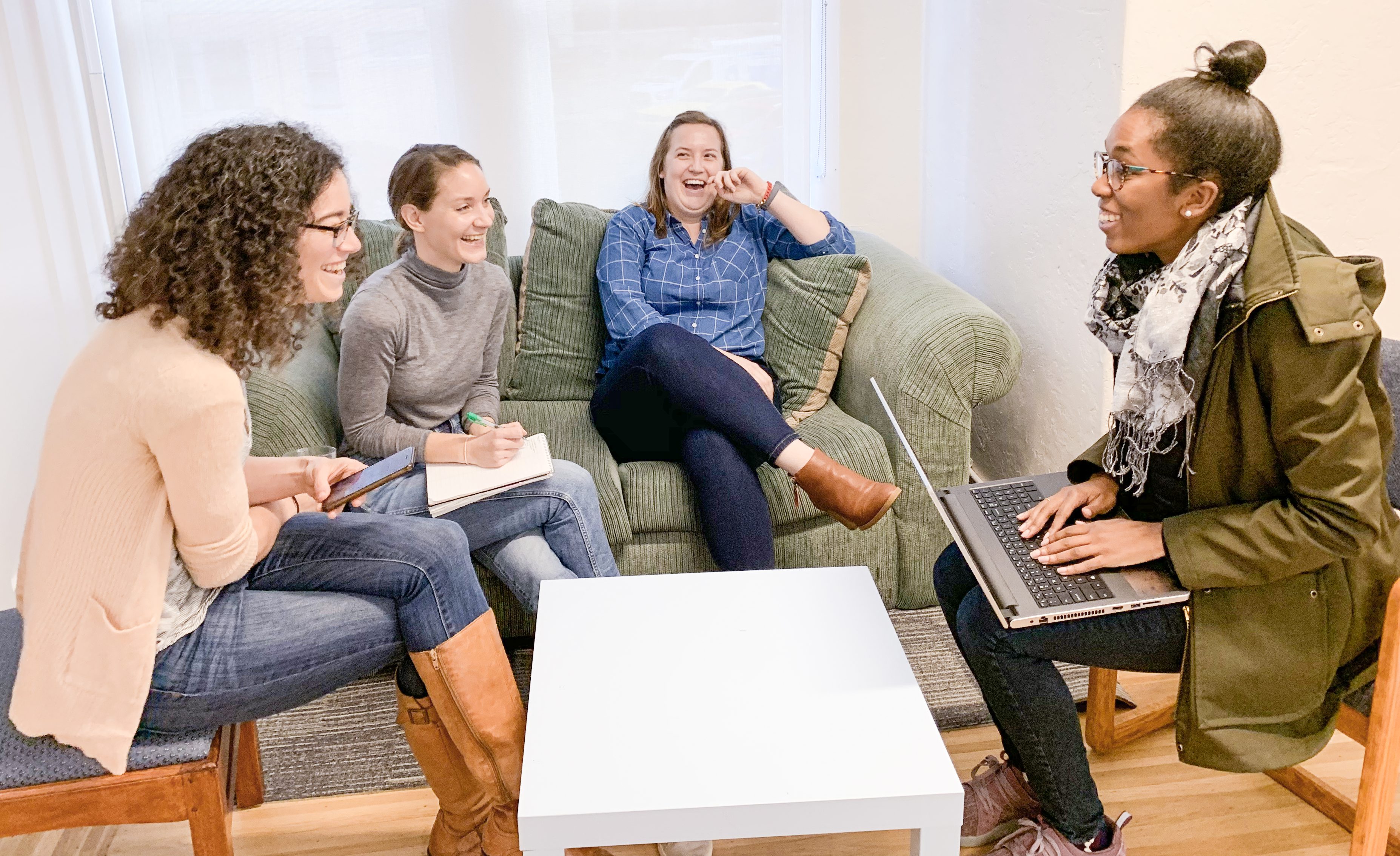 In the United States, 70% of the workforce is disengaged in their jobs. That frightening number comes from Gallup’s 50+ years of research and their annual poll of the American workforce. Gallup uses a set of 12 validated questions that, taken as a whole, indicate the degree to which employees feel engaged in their work.
Why should we care about employee engagement? For the individual worker, reports of high levels of employee engagement are correlated to better health and well-being. Engaged employees are enthusiastic about their work and feel a strong connection to their organizations and teams. They are curious about their organizations, their work, and their place within both. They are highly engaged with their clients, are innovative, and move their organizations forward. Organizations with high levels of employee engagement out-perform and grow faster than other companies[1].
What are the ingredients to creating a workplace with high employee engagement? To begin, there must be a social contract between the workforce and management. The social contract acknowledges that both the organization (management) and employees are committed to achieving engagement and agree that the responsibility is equally shared.
For example, one of the most important indicators of employee engagement is whether or not people feel that they get to do what they are good at every day. The responsibility to raise this engagement factor requires that managers understand the natural talents of their supervisees and find ways to encourage them to use and develop those talents. On the employee side, there is the need to identify and understand one’s talents and aim them at achieving goals. The intersection where managers and employees work together to find opportunities to exercise and hone these talents is where employee engagement thrives. It so happens to also be where work effectiveness blooms.
A note on talents. Natural talents are innate and are not the same thing as skills. Natural talents must be identified, understood, and used—just like a muscle that needs to be exercised—in order to become a strength. RDA is committed to creating a strengths-based organization that seeks engagement from everyone. We extend this to our clients and the work they do as we partner with them to support their efforts.
To discover your natural talents, we suggest you complete Gallup’s CliftonStrengths Assessment and speak with one of our Certified Strengths Coaches to understand your results and how to use the information to enhance engagement with your team.
[1] Source: Gallup’s 2017 State of the American Workplace
Honoring Indigenous Justice on Indigenous Peoples’ Day 2025
RDA Consulting observes Indigenous Peoples’ Day annually in place of the Columbus Day Federal holiday. First observed in Berkeley, California in 1992, the celebration of Indigenous Peoples’ Day has spread across the United States. Today, 17 states, the District of Columbia, Puerto Rico, and numerous localities nationwide celebrate Indigenous Peoples’ Day on the second Monday…

Supporting Juneteenth and Abundant Opportunities
We know that poverty disproportionately affects Black women and children in the US, which compounds disparities in maternal and child health. These disparities, an effect of systemic racism, are further exacerbated by social and economic stressors. The results of poverty, including lack of safe housing and access to healthy food, and the stress created by…