
Being a Thought Partner
October 1, 2019
by Patricia Marrone Bennett, PhD
The commitment to address entrenched systemic problems forces us to look beyond what we have already learned. The complexity of our world requires that we seek out and continuously learn from the volume of research and experiential knowledge that exists. No one person, organization or information source is likely to offer up all that is required to adequately develop comprehensive solutions necessary for success. That is why, at RDA, we believe in showing up as thought partners with our clients and with each other.
 What is a thought partner? A thought partner is someone who can listen openly, share ideas honestly, and is willing to challenge assumptions. Thought partnership works best when everyone agrees to participate without defining absolute rights and wrongs. In this way, thought partnership creates a level playing field of interpersonal and power dynamics that can benefit all parties. Additionally, we may work with like-minded people who have similar talents, values, and experiences to us, and thought partnering with them can be very affirming. However, at times it is best to seek out thought partners who have different world views because they are likely to help reveal blind spots within our own perspectives.
So, ask yourself – Are you a good thought partner? Do you lead with curiosity and ask questions? Are you open to listening to people who may see things differently? Do you provide honest and constructive input and feedback? Are you learning while you participate in the conversation? As society continues to grow in complexity, the demand for innovative and collaborative solutions to systemic issues will also grow. We encourage you to be an intentional and generous thought partner for the sake of bettering our communities.
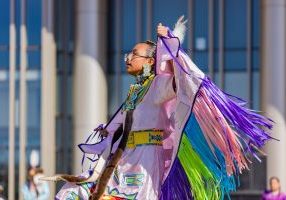
Honoring Indigenous Justice on Indigenous Peoples’ Day 2025
RDA Consulting observes Indigenous Peoples’ Day annually in place of the Columbus Day Federal holiday. First observed in Berkeley, California in 1992, the celebration of Indigenous Peoples’ Day has spread across the United States. Today, 17 states, the District of Columbia, Puerto Rico, and numerous localities nationwide celebrate Indigenous Peoples’ Day on the second Monday…

Supporting Juneteenth and Abundant Opportunities
We know that poverty disproportionately affects Black women and children in the US, which compounds disparities in maternal and child health. These disparities, an effect of systemic racism, are further exacerbated by social and economic stressors. The results of poverty, including lack of safe housing and access to healthy food, and the stress created by…